News
A2026-05-14
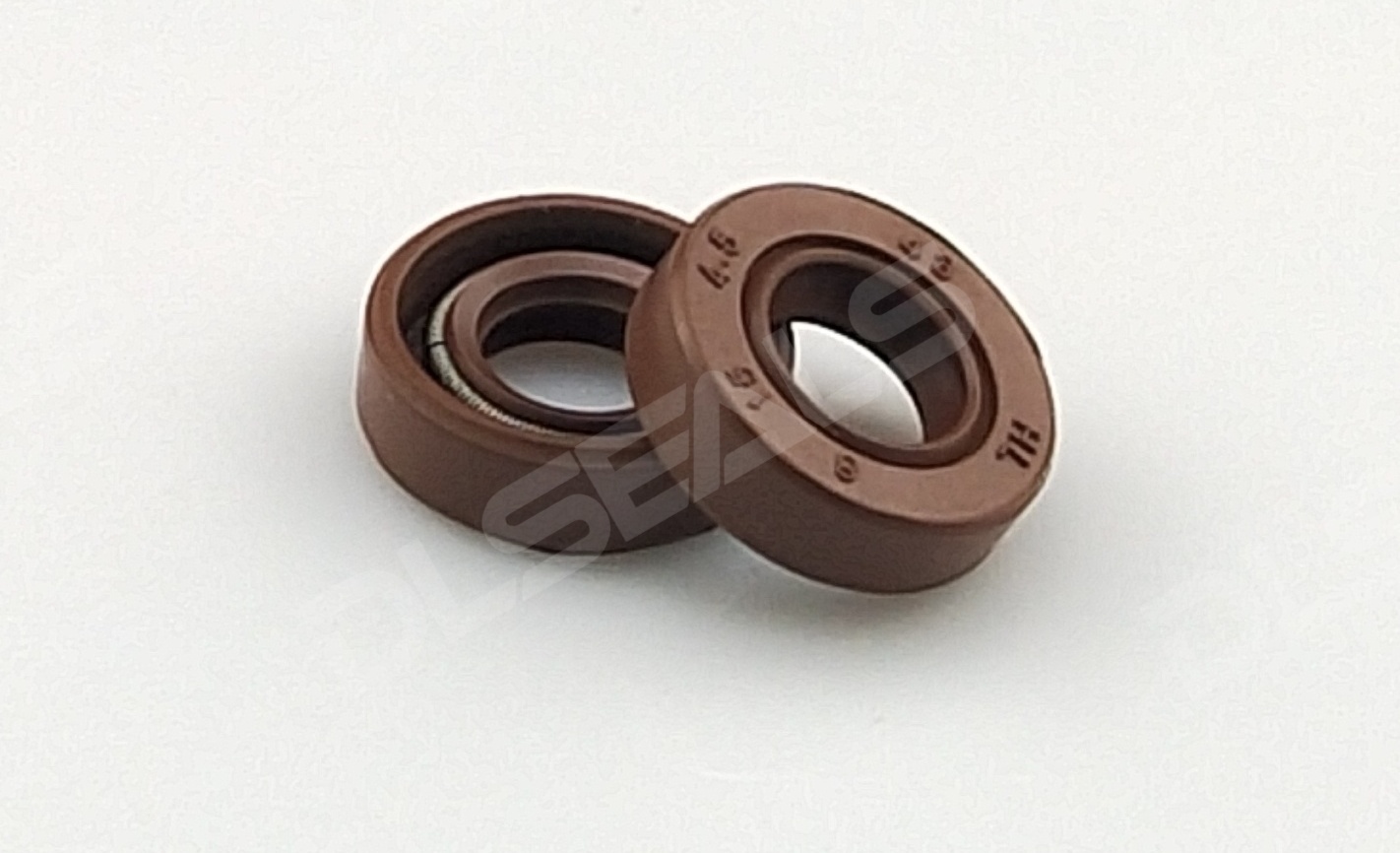
Selecting the right skeleton oil seal starts with accurate measurement
The standard format for identifying an oil seal is: Inner Diameter (d) × Outer Diameter (D) × Width/Height (B/H)
Inner Diameter (d): Corresponds to the diameter of the shaft
Outer Diameter (D): Corresponds to the internal diameter of the mounting bore or housing
Width/Height (B/H): The thickness of the oil seal skeleton
To ensure precision, use a vernier caliper rather than a tape measure
Measuring the Shaft (ID): Do not measure the ID of the old seal, as it may be worn or deformed
Measuring the Bore (OD): Measure the internal diameter of the equipment housing bore
Measuring the Width (B): Measure the thickness of the old seal or the depth of the installation groove
| Type | Name | Description |
| TC | Double Lip |
The most common type; features a primary sealing lip and a secondary dust lip |
| SC | Single Lip |
Features only a primary lip; suitable for dust-free environments |
| TB / SB | External Metal Case |
Features an exposed metal skeleton for high structural strength and better heat dissipation |
Providing specific material requirements (such as NBR for standard oil resistance or FKM for high temperatures) and operating conditions (speed and pressure) will significantly improve the accuracy of your custom order
[DLSEALS kindly Reminder] Sealing issues? Turn to DLSEALS! As a sealing component manufacturer, we specialize in customizing sealing components, providing a full range of services from design, research and development, production, testing, and more. If you have more information you'd like to know, feel free to contact us directly. DLSEALS's product experts are dedicated to serving you!

GUANGDONG DLSEALS TECHNOLOGY CO.,LTD.
TEL/Whatsapp
:+86 15918359971ADDRESS
:No. 2 Niujiaokeng Road, Baizhoubian, Dongcheng District, Dongguan, Guangdong, China.