News
A2026-02-02
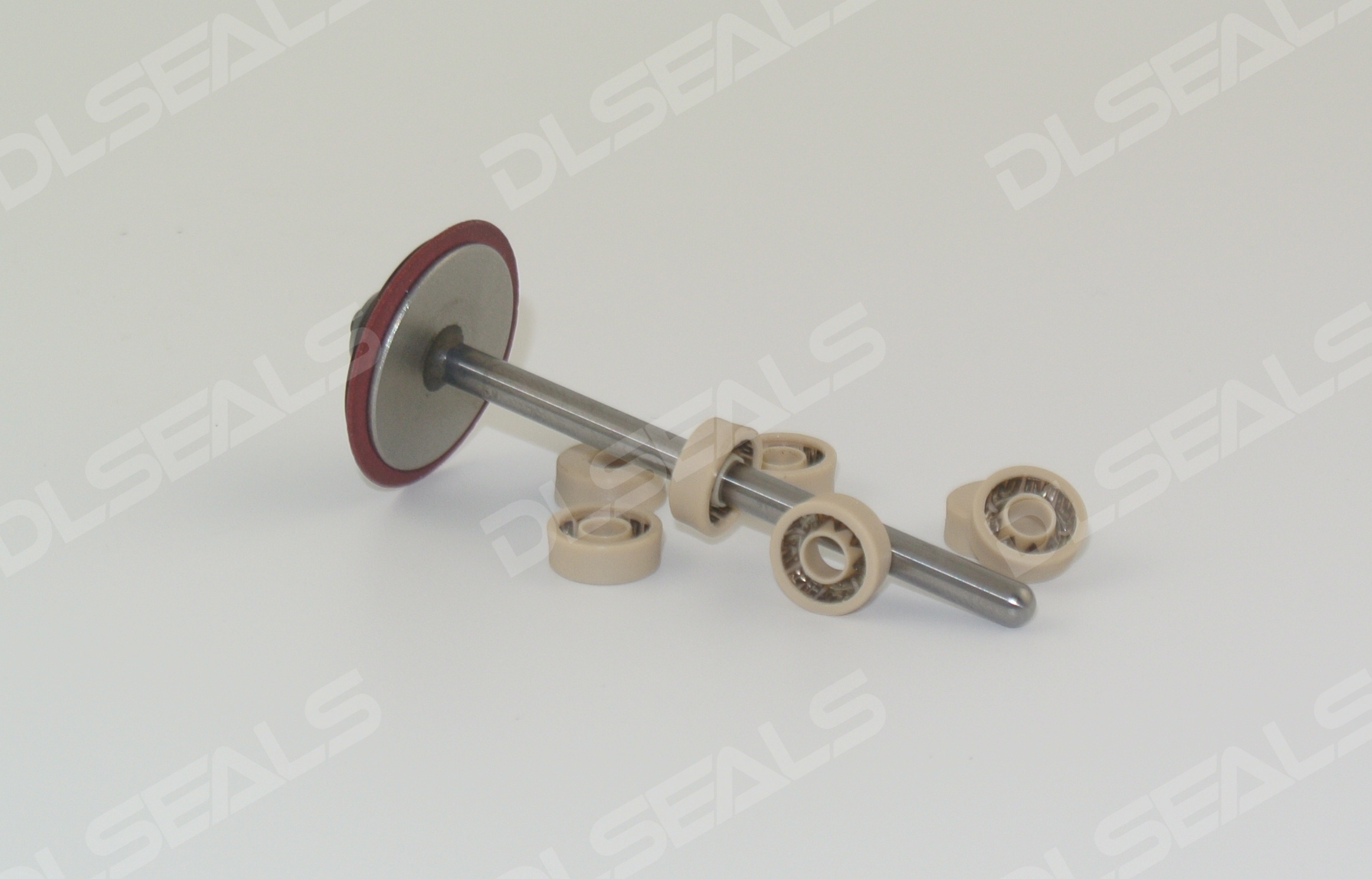
Polyether Ether Ketone (PEEK) is a high-performance semi-crystalline thermoplastic special engineering plastic that is highly favored for sealing applications under extreme conditions. PEEK seals (including O-rings, backup rings, lip seals, valve seats, gaskets, etc.) are widely used in oil & gas, aerospace, chemical processing, automotive high-pressure systems, medical devices, and semiconductor equipment. Renowned for its excellent high-temperature resistance, chemical corrosion resistance, wear resistance, and mechanical strength, PEEK is often regarded as a “premium solution” to replace traditional metal, PTFE, or fluororubber seals.
However, no material is universally perfect. PEEK also has clear advantages and limitations in sealing applications. This article systematically analyzes the pros and cons of PEEK as a sealing material and provides selection guidance based on typical application scenarios.
Outstanding Advantages of PEEK Sealing Materials
Exceptional High-Temperature Performance Continuous service temperature of 250–260°C, short-term resistance above 300°C, melting point 343°C, glass transition temperature 143°C. Ideal for high-pressure high-temperature (HPHT) environments such as downhole oil & gas tools, aero-engine seals, automotive turbo systems, and high-temperature chemical valves.
Excellent Chemical Stability and Media Resistance Resistant to almost all organic solvents, acids, alkalis, hydrocarbons, H₂S, CO₂, steam, and drilling fluids (except concentrated sulfuric acid). No swelling, hydrolysis, or harmful extractables — critical for sour gas oilfield seals, chemical process pumps/valves, and food/pharmaceutical-grade applications.
Superior Wear Resistance, Self-Lubrication, and Low Friction Low coefficient of friction (dynamic 0.2–0.4), excellent resistance to sliding and fretting wear. Well-suited for dynamic seals (reciprocating, rotary, piston rings), especially under dry or unlubricated conditions.
High Mechanical Strength and Creep Resistance Tensile strength 90–100 MPa, flexural modulus ~4 GPa, maintains high stiffness and creep resistance even at elevated temperatures. Excellent as backup rings, support rings, or rigid components in high-pressure composite seals to prevent elastomer extrusion.
Dimensional Stability and Low Moisture Absorption Saturated water absorption ~0.5%, minimal dimensional change in humid, hot water, or steam environments.
Additional Advantages Flame retardant (UL94 V-0), radiation resistant, fatigue resistant, biocompatible (some grades FDA-compliant), and suitable for repeated steam sterilization — applicable in nuclear, medical, and semiconductor cleanroom environments.
Obvious Disadvantages and Limitations of PEEK Sealing Materials
Extremely High Material and Processing Cost Raw material price is typically 5–10× that of PTFE and 3–8× that of fluororubber. Narrow processing window and higher scrap rate result in significantly elevated per-piece cost — suitable only for “must-have” extreme applications.
High Modulus and Poor Resilience A rigid material (not an elastomer), with poor compression set recovery. Difficult to achieve flexible interference sealing like O-rings. Usually used as rigid components or in combination with elastomers rather than as standalone primary seals.
Susceptibility to Certain Strong Oxidizers and Specific Chemicals Attacked by concentrated sulfuric acid, fuming nitric acid, halogens (fluorine/chlorine at high temperature), and molten alkali metals — requires careful evaluation.
High Processing Difficulty and Mold Requirements High melt viscosity, fast crystallization, shear sensitivity — prone to internal stress, warpage, and surface defects. Tight dimensional tolerance control for precision seals is challenging.
Poor UV Resistance Surface degradation and embrittlement under long-term UV exposure (limited impact for most internal sealing applications).
Typical Application Scenarios and Material Selection Recommendations
Strongly Recommended for PEEK - Downhole oil & gas HPHT seals (>200°C, >100 MPa) - Aerospace/aircraft engine and turbine seals - High-temperature chemical valve seats and piston rings - Automotive new energy high-voltage battery/motor seals - FDA-compliant high-purity food/pharmaceutical pump and valve seals
Consider Alternatives First - Medium-low temperature (<150°C), cost-sensitive applications → filled PTFE, fluororubber - Ultra-high elasticity static seals → FFKM (perfluoroelastomer) - Very low friction but moderate temperature sliding seals → highly filled PTFE or UHMWPE
Conclusion
PEEK’s greatest value lies in its ability to maintain reliable sealing performance under “limit conditions” where many other polymers fail — extreme temperature, high pressure, aggressive chemicals, dry friction, and unlubricated environments. Its overall performance places it at the top tier of special engineering plastics, often called the “performance king” of sealing materials.
However, its high cost, rigid nature, and processing challenges mean PEEK is not a universal solution — it is a strategic choice for high-end, mission-critical, irreplaceable scenarios. Engineers must perform thorough operating condition matching and full life-cycle cost analysis.
With advances in modified PEEK grades (carbon-fiber reinforced, PTFE-filled, conductive, etc.) and 3D printing technology, the application boundaries of PEEK are expanding further, promising improved cost-performance in more fields in the future.
[DLSEALS kindly Reminder] Sealing issues? Turn to DLSEALS! As a sealing component manufacturer, we specialize in customizing sealing components, providing a full range of services from design, research and development, production, testing, and more. If you have more information you'd like to know, feel free to contact us directly. DLSEALS's product experts are dedicated to serving you!

GUANGDONG DLSEALS TECHNOLOGY CO.,LTD.
TEL/Whatsapp
:+86 15918359971ADDRESS
:No. 2 Niujiaokeng Road, Baizhoubian, Dongcheng District, Dongguan, Guangdong, China.