News
A2026-11-11
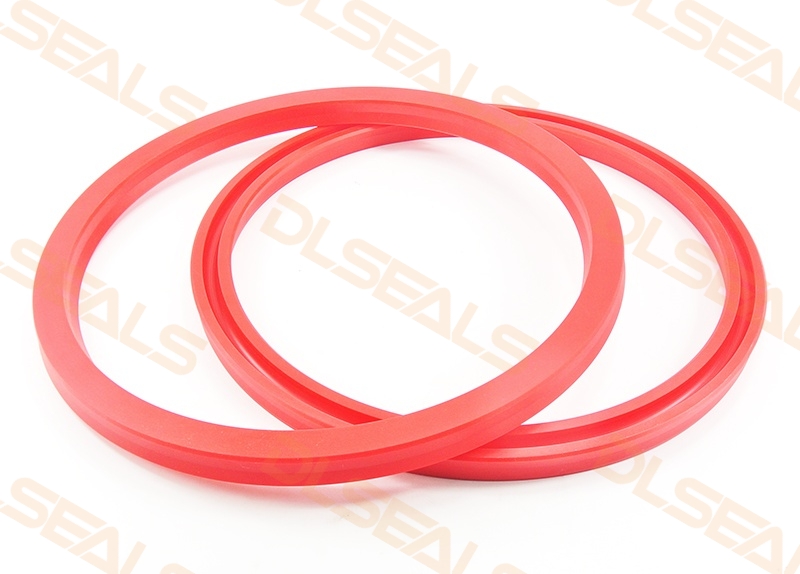
Hydraulic cylinders are widely used in construction machinery, industrial equipment, agricultural machinery, and automation systems. Hydraulic rod seals, also known as hydraulic cylinder rod seals, play a critical role in preventing hydraulic fluid leakage along the piston rod while maintaining reliable system operation.
During operation, rod seals must withstand reciprocating motion, hydraulic pressure, temperature fluctuations, and contamination. Their wear resistance and durability directly affect cylinder performance, maintenance intervals, and overall operating costs.
So, which rod seal is the most durable for hydraulic cylinders?
The answer depends not only on the sealing material but also on the seal profile, operating conditions, surface finish, lubrication, and overall sealing system design.
The most common materials used in hydraulic rod sealing applications include polyurethane (PU), polytetrafluoroethylene (PTFE), nitrile rubber (NBR), and fluoroelastomer (FKM).
Each material offers different advantages in wear resistance, friction, temperature performance, and chemical compatibility.
Polyurethane is one of the most widely used materials for hydraulic cylinder rod seals, particularly in construction machinery and industrial hydraulic equipment.
Key advantages of PU rod seals:
Excellent wear resistance: Suitable for continuous reciprocating motion under demanding operating conditions.
Good extrusion resistance: Capable of handling moderate to high hydraulic pressures when properly designed.
High mechanical strength: Combines elasticity, toughness, and resistance to mechanical damage.
Reliable sealing performance: Maintains effective contact between the sealing lip and piston rod.
Cost-effective performance: Offers a practical balance between durability and manufacturing cost.
Hydraulic PU rod seals commonly have hardness values around 90–95 Shore A, although the optimal hardness depends on material formulation, pressure, seal geometry, and extrusion gaps.
For conventional hydraulic systems operating with mineral-based hydraulic oil at moderate temperatures, high-performance PU U-cup rod seals are often an excellent choice for long-term durability.
Polytetrafluoroethylene (PTFE) is widely recognized for its low coefficient of friction and excellent chemical stability.
In hydraulic rod sealing applications, PTFE sealing rings are often combined with NBR or FKM elastomer energizers to provide the necessary sealing contact pressure.
Key advantages of PTFE rod seals:
Low friction helps reduce resistance during piston rod movement.
Reduced friction can minimize heat generation and wear under suitable lubrication conditions.
Excellent chemical stability across a wide range of compatible fluids.
Filled PTFE compounds can improve wear resistance and reduce creep.
Suitable for applications requiring smooth movement and reduced stick-slip behavior.
Common PTFE fillers include bronze, carbon fiber, and other performance-enhancing materials.
However, PTFE is not automatically more durable than polyurethane in every application. Seal performance depends on the PTFE compound, rod surface finish, lubrication, energizer design, and operating conditions.
For high-frequency reciprocating systems, precision hydraulic cylinders, and low-friction applications, PTFE composite rod seals can provide significant performance advantages.
Nitrile butadiene rubber (NBR) is a conventional sealing material known for its good elasticity and compatibility with many mineral-based hydraulic oils.
Its main advantages include:
Good elastic recovery and sealing performance.
Relatively low material cost.
Established manufacturing and processing methods.
Suitability for many conventional hydraulic applications.
However, standard NBR generally offers lower abrasion and extrusion resistance than specialized high-performance polyurethane compounds under demanding conditions.
NBR is therefore commonly used in hydraulic systems with moderate pressure, controlled operating conditions, or as an energizing element in PTFE composite seals.
Fluoroelastomer (FKM) offers good resistance to elevated temperatures, oils, and many chemical substances.
FKM rod seals may be considered when hydraulic operating temperatures exceed the practical limits of conventional PU or NBR materials.
Its key advantages include:
Good high-temperature resistance.
Excellent resistance to many oils and chemicals.
Suitable for selected high-temperature hydraulic environments.
However, FKM should not automatically be considered the most wear-resistant material. Its durability depends on the compound formulation, seal design, lubrication, and operating conditions.
| Material | Wear Resistance | Friction | Main Advantages | Typical Applications |
|---|---|---|---|---|
| PU | Excellent | Moderate | High wear and extrusion resistance | Construction and industrial hydraulic cylinders |
| PTFE Composite | Excellent, depending on compound | Low | Low friction and smooth movement | Precision and high-frequency hydraulic systems |
| NBR | Moderate to good | Moderate | Good elasticity and cost efficiency | Standard hydraulic applications |
| FKM | Compound-dependent | Moderate | High-temperature and chemical resistance | High-temperature and specialty hydraulic systems |
Note: The ratings above describe general material characteristics. Actual service life depends on seal design, operating conditions, and system compatibility.
The service life of a hydraulic rod seal depends on more than the hardness or wear resistance of its material.
In heavy-duty and high-pressure hydraulic cylinders, a properly designed sealing system can improve reliability and durability compared with using a single seal without considering the complete operating environment.
A typical hydraulic piston rod sealing arrangement may include the following components.
Buffer seals are normally positioned toward the pressure side of the rod sealing system.
Their main purpose is to help protect the primary rod seal from pressure spikes and sudden pressure changes.
In hydraulic cylinders exposed to frequent pressure fluctuations, a properly designed buffer seal can reduce transient loading on the primary sealing element.
The primary rod seal is responsible for controlling hydraulic fluid leakage along the piston rod.
Common designs include:
Polyurethane U-cup rod seals.
PTFE step seals with elastomer energizers.
Other specialized rod sealing profiles.
Selection should consider operating pressure, rod speed, allowable leakage, friction requirements, and extrusion clearance.
Guide rings, also known as wear rings, support and guide moving cylinder components while helping prevent direct metal-to-metal contact.
They are particularly important in hydraulic cylinders subjected to side loads.
Proper guidance helps reduce rod misalignment and uneven wear on the sealing lips.
Wiper seals, also known as scraper seals or dust seals, are normally installed near the external end of the hydraulic cylinder.
Their function is to prevent dirt, dust, sand, and other contaminants from entering the sealing system during rod retraction.
In construction machinery, excavators, loaders, and mining equipment, effective contamination exclusion is essential for long-term seal durability.
Even high-performance rod seals may fail prematurely if abrasive particles enter the sealing area and damage the rod surface.
Important: Multiple seals must be properly matched to avoid excessive intermediate pressure buildup, inadequate lubrication, and other operating problems.
Hydraulic pressure directly influences sealing lip contact loads and the risk of material extrusion.
In high-pressure applications, the seal's extrusion resistance, mechanical strength, support structure, and allowable clearance become especially important.
Simply choosing a harder sealing material does not necessarily improve service life.
The surface roughness, hardness, coating quality, and microscopic texture of the piston rod significantly affect seal wear.
An excessively rough surface can accelerate abrasion, while an excessively smooth surface may interfere with the formation of a stable lubricating film.
The piston rod surface should therefore be matched to the selected sealing material and seal design.
High-speed reciprocating motion can increase frictional heat, while very low-speed movement may cause stick-slip behavior.
For applications requiring low friction and smooth movement, properly designed PTFE composite seals are often advantageous.
For conventional hydraulic cylinders, high-performance PU rod seals frequently provide a practical combination of sealing efficiency and wear resistance.
Temperature affects elastomer hardness, elasticity, wear behavior, and long-term aging.
Different hydraulic fluids also require different sealing materials.
For example, mineral hydraulic oils, water-glycol hydraulic fluids, and phosphate ester fluids have different compatibility requirements.
Material compatibility should always be confirmed before evaluating the expected wear resistance and service life of a hydraulic seal.
Dust, metal particles, and other contaminants can cause abrasive wear on the sealing lips and piston rod surface.
Excessive side loads may also create uneven contact pressure and localized wear.
Therefore, effective wiper seals, proper guidance, and hydraulic fluid cleanliness are essential to improving sealing reliability.
For excavators, wheel loaders, and other heavy-duty construction equipment, high-performance polyurethane rod seals are commonly preferred.
Depending on pressure fluctuations, contamination levels, and available installation space, the sealing arrangement may also include buffer seals, guide rings, and heavy-duty wiper seals.
For general industrial hydraulic equipment, PU U-cup rod seals often provide a good balance of sealing performance, wear resistance, and cost.
Where low friction, precision movement, or reduced stick-slip behavior is important, PTFE composite rod seals may be a more suitable option.
For hydraulic cylinders operating at high frequencies or elevated reciprocating speeds, frictional heat, lubrication, and dynamic sealing performance require special attention.
Properly engineered PTFE composite seals can offer advantages in these applications, but their suitability should be verified against actual operating parameters.
High-temperature applications require careful consideration of continuous operating temperature and hydraulic fluid compatibility.
Depending on the application, FKM-based seals or PTFE composite seals with temperature-resistant energizers may be appropriate.
Selecting the right material and seal profile is only part of achieving long-term reliability.
The following practices can help extend hydraulic rod seal service life:
Maintain appropriate piston rod surface finish and coating quality.
Select sealing materials and extrusion-resistant designs according to pressure and clearance.
Keep hydraulic fluid clean to minimize abrasive contamination.
Use properly designed guide rings to reduce side loading and uneven wear.
Avoid exceeding the recommended operating limits for pressure, temperature, and speed.
Choose suitable single-stage, tandem, or buffered sealing arrangements according to the application.
Follow proper seal installation procedures to prevent lip damage, twisting, or excessive stretching.
For demanding applications, endurance testing, leakage testing, and seal failure analysis can provide valuable information for further improving sealing performance.
For most conventional hydraulic cylinder applications, high-performance polyurethane (PU) rod seals offer an excellent balance of wear resistance, sealing reliability, and cost efficiency.
For systems requiring low friction, frequent reciprocating movement, or improved motion stability, PTFE composite seals can provide important technical advantages.
In heavy-duty hydraulic applications involving high pressure, frequent pressure spikes, or severe contamination, the complete sealing arrangement often matters more than the hardness of any individual sealing material.
A well-designed system incorporating suitable buffer seals, primary rod seals, guide rings, and wiper seals can help minimize leakage, reduce maintenance requirements, and extend hydraulic cylinder service life.
Ultimately, the most durable hydraulic rod seal is the one whose material, profile, and sealing system are correctly matched to the actual operating conditions.
[DLSEALS kindly Reminder] Sealing issues? Turn to DLSEALS! As a sealing component manufacturer, we specialize in customizing sealing components, providing a full range of services from design, research and development, production, testing, and more. If you have more information you'd like to know, feel free to contact us directly. DLSEALS's product experts are dedicated to serving you!

GUANGDONG DLSEALS TECHNOLOGY CO.,LTD.
TEL/Whatsapp
:+86 15918359971ADDRESS
:No. 2 Niujiaokeng Road, Baizhoubian, Dongcheng District, Dongguan, Guangdong, China.