News
A2026-11-25
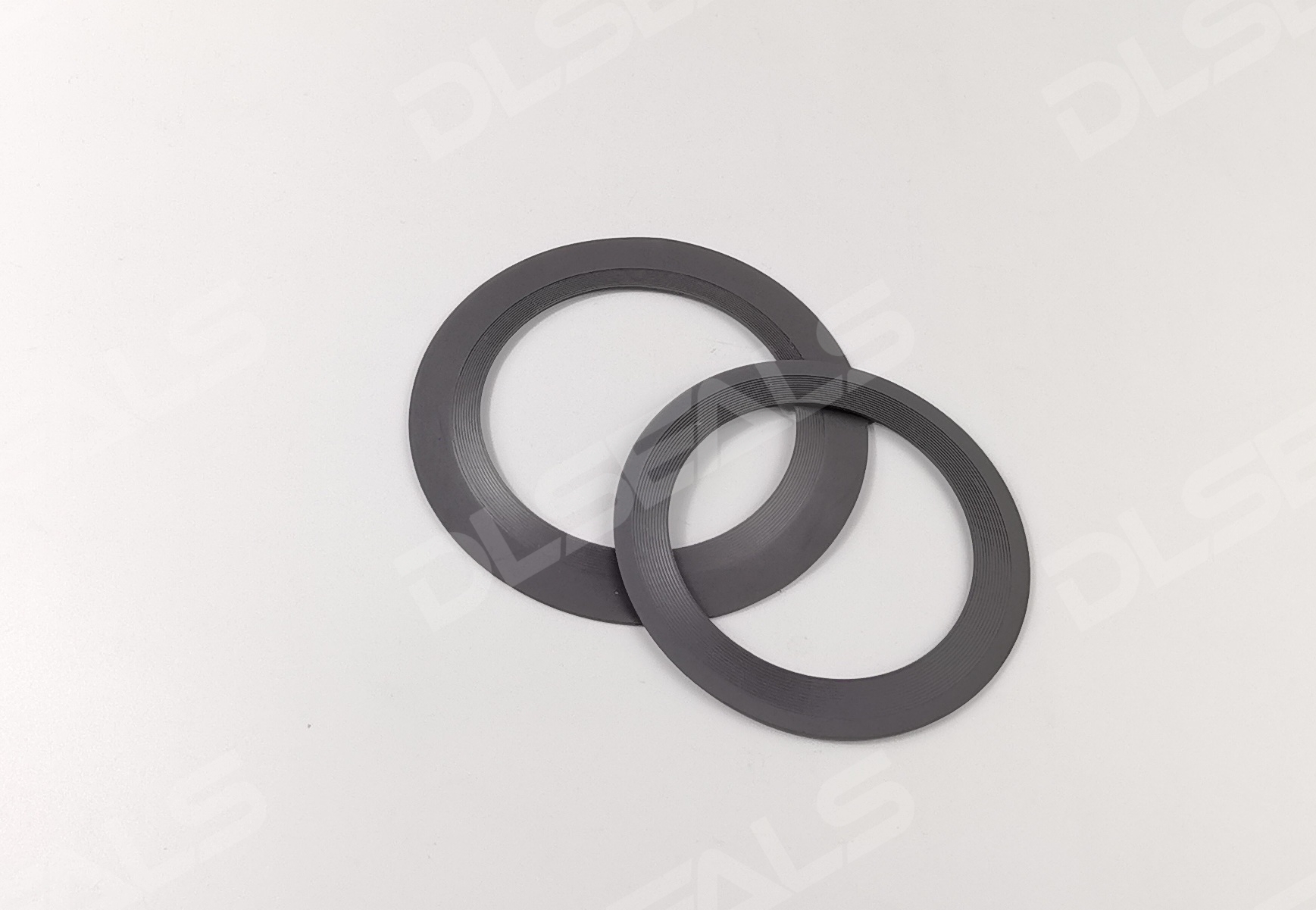
PTFE gaskets are sealing components manufactured primarily from polytetrafluoroethylene (PTFE). Thanks to their excellent chemical resistance, low coefficient of friction, good electrical insulation, and wide operating temperature range, they are widely used in the chemical, pharmaceutical, food processing, petroleum, electronics, and general industrial sectors.
Compared with conventional rubber and metal gaskets, PTFE gaskets offer significant advantages in highly corrosive media and high-purity fluid applications. However, PTFE also has certain limitations, including cold flow, creep, and relatively low elastic recovery. Therefore, selecting the right material and gasket design requires careful consideration of the medium, temperature, pressure, and flange configuration.
Excellent Chemical Resistance
PTFE has a highly stable molecular structure and can withstand most acids, alkalis, salts, and many organic solvents. This makes PTFE gaskets particularly suitable for chemical environments where conventional rubber materials may not provide sufficient long-term resistance.
However, PTFE is not completely inert to every chemical substance. Under special conditions, such as exposure to molten alkali metals or certain highly reactive fluorinating agents, material compatibility must be evaluated carefully.
Wide Operating Temperature Range
PTFE offers excellent resistance to both high and low temperatures. The typical operating temperature range of conventional virgin PTFE is approximately -200°C to +260°C. However, the actual allowable temperature depends on the material formulation, gasket structure, pressure, and operating conditions. During prolonged high-temperature operation, creep and stress relaxation must be carefully considered.
Low Friction and Non-Stick Properties
PTFE has a low coefficient of friction and excellent non-stick properties. These characteristics help reduce adhesion during disassembly and maintenance and can also minimize frictional resistance in certain equipment applications.
Excellent Electrical Insulation and Cleanliness
PTFE provides excellent electrical insulation and is resistant to contamination from many working media. It is therefore suitable for applications in the electronics, semiconductor, pharmaceutical, and food processing industries, where material cleanliness is important. The material grade and relevant certifications should still be verified according to industry requirements.
Different PTFE formulations and gasket structures offer different levels of compressibility, recovery, mechanical strength, and sealing stability.
| Type | Main Characteristics | Typical Applications |
|---|---|---|
| Virgin PTFE Gasket | Excellent chemical stability and corrosion resistance; compatible with a wide range of media | Chemical pipelines, flanges, and equipment handling corrosive fluids |
| Modified PTFE Gasket | Improved creep resistance and sealing stability through material modification | High-performance pipelines, equipment flanges, and applications involving pressure fluctuations |
| Filled PTFE Gasket | Fillers such as glass fiber, carbon-based materials, and barium sulfate improve selected mechanical properties | High-load applications, specific chemical environments, and industrial equipment |
| Expanded PTFE (ePTFE) Gasket | Good flexibility and compressibility, allowing it to accommodate certain flange surface irregularities | Low-load flanges, glass-lined equipment, and irregular sealing surfaces |
Virgin PTFE Gaskets are made primarily from unfilled PTFE. They offer excellent chemical stability but are susceptible to cold flow and creep under sustained compression, which can gradually reduce sealing stress.
Modified PTFE Gaskets use changes in material structure or formulation to improve creep resistance and recovery characteristics. Compared with conventional virgin PTFE, they can provide better long-term sealing stability under suitable operating conditions.
Filled PTFE Gaskets incorporate different fillers to improve mechanical properties. For example, glass fiber can increase stiffness and resistance to deformation, while carbon-based fillers can improve certain mechanical and frictional properties. However, fillers may also affect chemical compatibility, so the material must be selected according to the actual working medium.
Expanded PTFE Gaskets are manufactured through specialized processing that creates a flexible microstructure. They offer good compressibility and can accommodate certain flange surface imperfections, making them suitable for applications where sealing loads are limited or flange surfaces are less than ideal.
The application range of PTFE gaskets mainly depends on their chemical resistance, temperature capability, and structural design.
Chemical Industry: Used in pipelines, reactors, storage tanks, and flange connections handling acids, alkalis, salts, and various corrosive chemicals.
Pharmaceutical Industry: Used in certain liquid transfer systems, reaction equipment, and pipeline connections. Material purity, cleanliness, and applicable regulatory requirements must be considered.
Food Processing Industry: Suitable for selected food processing equipment and fluid pipelines, provided the material meets the relevant food-contact requirements.
Oil and Gas Industry: Used in certain chemical service lines, process pipelines, and equipment flange connections. Media composition, pressure, and temperature must be evaluated.
Electronics and Semiconductor Industry: Used in selected high-purity chemical delivery systems, where material cleanliness, extractables, and contamination control are particularly important.
It is important to understand that PTFE gaskets are not automatically suitable for every high-pressure or high-temperature application. For high-pressure service, significant temperature fluctuations, or long-term compression, creep resistance, flange rigidity, and bolt preload must be carefully evaluated.
Despite its excellent chemical resistance, PTFE has mechanical characteristics that differ significantly from those of rubber, metal, and some engineering plastics.
Cold Flow and Creep: PTFE can undergo gradual deformation under sustained compressive loads. This may cause the gasket thickness to decrease over time and reduce contact stress, potentially resulting in leakage. For long-term service or applications involving pressure fluctuations, creep-resistant modified PTFE should be considered. Expanded PTFE or other gasket structures may also be suitable depending on the application.
Relatively High Thermal Expansion: PTFE has a relatively high coefficient of thermal expansion. In equipment exposed to significant temperature changes, gasket dimensions and compression conditions may vary. The effects of thermal cycling on the sealing interface should therefore be considered during design.
Limited Elastic Recovery: Compared with rubber materials, conventional PTFE has relatively poor elastic recovery. When flanges experience vibration, thermal deformation, or pressure fluctuations, the gasket may not fully compensate for changes in the sealing gap.
Proper Installation Load: Insufficient bolt preload may result in inadequate sealing, while excessive preload can cause over-compression and permanent deformation. The appropriate tightening load should be determined according to the gasket material, dimensions, flange structure, and operating conditions. Bolts should be tightened evenly and in stages.
PTFE gasket selection should not be based solely on the material name. Actual operating conditions must be considered comprehensively.
First, identify the working medium and its concentration, particularly in mixed chemical media, fluids containing impurities, and high-temperature corrosive environments. Next, determine the operating temperature, design pressure, pressure fluctuations, and temperature cycling conditions to evaluate the risk of creep and compressive stress relaxation.
The flange configuration and sealing surface condition must also be considered, including flange material, surface finish, flatness, bolt load, and available installation space. Expanded PTFE may be suitable for connections with uneven sealing surfaces or limited bolt loads. For connections exposed to sustained high compression, modified or filled PTFE should be evaluated.
In addition, the gasket's inner diameter, outer diameter, thickness, and cross-sectional profile directly affect sealing performance. For special equipment and non-standard flanges, customized designs can be developed based on equipment drawings, groove dimensions, and actual operating parameters.
PTFE gaskets are important sealing components in chemical, pharmaceutical, food processing, and industrial pipeline systems due to their excellent chemical resistance, wide temperature capability, and cleanliness.
However, virgin PTFE has limitations such as cold flow, creep, and limited elastic recovery. Different modification methods and gasket structures also produce different performance characteristics. Therefore, selection should be based on the working medium, temperature, pressure, flange configuration, and required service life. Suitable options include virgin PTFE, modified PTFE, filled PTFE, and expanded PTFE.
[DLSEALS kindly Reminder] Sealing issues? Turn to DLSEALS! As a sealing component manufacturer, we specialize in customizing sealing components, providing a full range of services from design, research and development, production, testing, and more. If you have more information you'd like to know, feel free to contact us directly. DLSEALS's product experts are dedicated to serving you!

GUANGDONG DLSEALS TECHNOLOGY CO.,LTD.
TEL/Whatsapp
:+86 15918359971ADDRESS
:No. 2 Niujiaokeng Road, Baizhoubian, Dongcheng District, Dongguan, Guangdong, China.