News
A2026-10-30
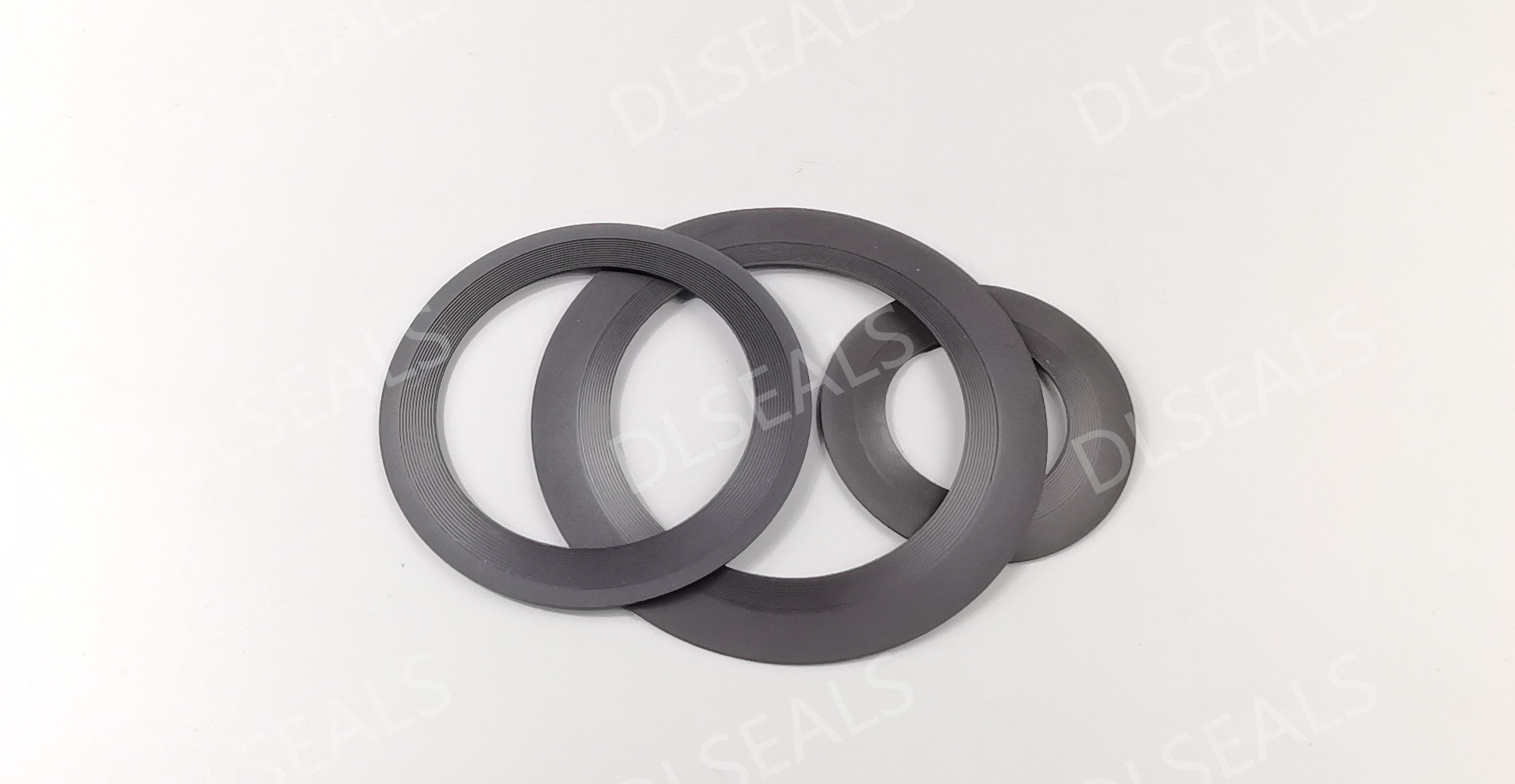
In hydraulic cylinders, pneumatic actuators, reciprocating pumps, and various industrial sealing systems, seals must not only withstand fluid pressure but also accommodate friction, wear, and temperature variations caused by reciprocating motion. In applications involving corrosive media, elevated temperatures, or low-friction requirements, conventional rubber seals may be limited by their chemical resistance, friction characteristics, or operating temperature range.
PTFE cup seals are lip-type sealing components manufactured from polytetrafluoroethylene (PTFE) or modified PTFE compounds. They typically feature cup-shaped, U-shaped, or other lip-type cross-sections. Sealing is achieved through contact between the sealing lips and mating surfaces, while fluid pressure can further enhance the sealing effect.
Compared with conventional rubber cup seals, PTFE cup seals generally offer lower friction, excellent chemical resistance, and a broader temperature operating range. These properties make them suitable for specialized hydraulic systems, pneumatic equipment, chemical processing machinery, and precision reciprocating applications.
However, PTFE has limited inherent elasticity. Therefore, the sealing performance of a PTFE cup seal depends not only on the material itself but also on lip geometry, initial interference, pressure direction, installation groove design, and operating conditions.
PTFE cup seals typically feature a lip-type structure with a defined opening direction. Depending on equipment requirements, they may be designed with single lips, double lips, U-shaped cross-sections, or other specialized cup-shaped profiles.
Their basic sealing mechanism can be divided into two stages: initial sealing and pressure-assisted sealing.
Initial Sealing
Before operating pressure is established, a PTFE cup seal generates initial contact pressure through lip deformation, dimensional interference, or auxiliary energizing components. This allows the sealing lip to maintain contact with the cylinder bore or piston rod surface.
Because PTFE generally has lower elastic recovery than rubber, the initial sealing performance of an unenergized PTFE cup seal is particularly sensitive to lip geometry, manufacturing accuracy, and installation dimensions.
For low-pressure applications or systems requiring reliable initial sealing, rubber O-rings, springs, or other elastic components may be used to provide additional energizing force. However, not all PTFE cup seals require auxiliary energizers.
Pressure-Assisted Sealing
When the working medium enters the seal cavity from the open side of the cup seal, fluid pressure acts on the inner surfaces of the sealing lips, generating additional contact force against the mating surfaces.
As fluid pressure increases, the contact pressure at the sealing lips generally increases as well, improving the sealing effect.
This mechanism is commonly referred to as pressure-energized sealing.
However, higher pressure does not necessarily guarantee better sealing performance. Excessive contact pressure may cause frictional heating, accelerated lip wear, permanent deformation, or extrusion of the sealing material into the clearance gap.
In addition, single-acting PTFE cup seals typically have a defined pressure direction. If pressure is applied from the opposite direction, the sealing lips may lose effective support, potentially resulting in lip inversion or leakage.
For applications involving pressure reversal, an appropriate double-acting sealing design or combined sealing arrangement should be considered.
Material selection directly affects the friction coefficient, wear resistance, pressure capability, and service life of PTFE cup seals.
Virgin PTFE offers a low coefficient of friction, excellent chemical resistance, and a broad operating temperature range.
Its main advantage is its compatibility with many corrosive media, together with its ability to reduce sliding resistance in certain applications with limited lubrication.
However, virgin PTFE has relatively limited mechanical strength, wear resistance, and creep resistance. Under sustained high contact pressure, cold flow or permanent deformation may occur.
Therefore, virgin PTFE cup seals are more suitable for validated low-friction, corrosion-resistant, or low-to-moderate-load applications.
Their suitability for high-pressure dynamic sealing should not be determined solely by the chemical and temperature resistance of PTFE.
Adding glass fibers can improve the dimensional stability, compressive performance, and wear resistance of PTFE under certain operating conditions.
Glass-fiber-filled PTFE is suitable for some sealing applications requiring improved structural stability and creep resistance.
However, glass fibers are relatively hard fillers, and their interaction with metallic mating surfaces must be evaluated.
For components with relatively low surface hardness or precision-finished surfaces, particular attention should be paid to the risk of long-term wear.
Carbon fibers can improve the mechanical properties, creep resistance, and wear performance of PTFE under certain conditions.
Graphite fillers can modify friction characteristics and may offer advantages in specific sliding sealing applications.
Carbon-fiber-filled PTFE, graphite-filled PTFE, and their combined formulations are frequently considered for dynamic seals requiring improved friction and wear performance.
However, actual performance depends on filler content, fiber characteristics, operating media, and mating surface conditions.
It should not be assumed that every carbon-filled PTFE compound performs better than virgin PTFE in all applications.
Depending on the operating conditions, bronze-filled PTFE and other specialized composite formulations may also be used.
For example, bronze-filled PTFE can provide good load-bearing and wear performance in certain lubricated sliding applications.
However, the presence of metallic fillers affects chemical compatibility, making such compounds unsuitable for some highly corrosive media unless specifically validated.
The selection of modified PTFE materials should be based on the actual operating medium, pressure, sliding speed, temperature, and mating material.
| Material | Main Advantages | Key Considerations | Typical Applications |
|---|---|---|---|
| Virgin PTFE | Low friction, excellent chemical resistance | Creep, wear resistance, and elastic recovery | Corrosive media, low-friction sealing |
| Glass-fiber-filled PTFE | Improved dimensional stability and creep resistance | Potential wear of mating surfaces | Seals requiring higher structural stability |
| Carbon-fiber-filled PTFE | Potential improvements in load capacity, wear resistance, and creep resistance | Compound formulation and mating surface compatibility | Industrial dynamic sealing |
| Graphite-filled PTFE | Improved friction characteristics in certain applications | Medium compatibility and load conditions | Low-friction reciprocating seals |
| Bronze-filled PTFE | Good wear performance in certain lubricated applications | Corrosion limitations associated with metallic fillers | Lubricated hydraulic and mechanical seals |
The properties listed above represent general material characteristics. Actual selection should be based on specific material grades and operating-condition test data.
Rubber cup seals are commonly manufactured from NBR, FKM, or other elastomers. They rely primarily on the inherent elasticity of the material to establish initial sealing contact.
PTFE cup seals, by contrast, rely on lip geometry, limited elastic deformation of the material, and fluid pressure to generate sealing contact.
The most significant difference between these two types of seals is not their external appearance but their material deformation characteristics and sealing mechanisms.
| Comparison | PTFE Cup Seals | Rubber Cup Seals |
|---|---|---|
| Main materials | PTFE and modified PTFE compounds | NBR, FKM, and other elastomers |
| Friction performance | Generally lower | Depends on rubber formulation and lubrication |
| Initial elasticity | Relatively limited | Generally better |
| Chemical resistance | Excellent chemical resistance of the PTFE base material | Depends on the specific elastomer |
| Temperature capability | Generally broad, depending on structure and fillers | Depends on elastomer type |
| Long-term deformation | Creep requires particular attention | Compression set and aging must be considered |
| Low-pressure sealing | Greater dependence on structural preloading | Initial sealing is generally easier to establish |
| Typical applications | Special media, low-friction and precision sealing | Conventional hydraulic, pneumatic, and industrial equipment |
It is important to emphasize that PTFE cup seals are not universal replacements for rubber cup seals.
For applications involving low pressure, frequent start-stop operation, relatively large installation tolerances, or high elastic compensation requirements, rubber seals may offer advantages.
Conversely, properly designed PTFE cup seals can be more suitable for applications requiring corrosion resistance, low friction, or performance under certain specialized temperature conditions.
1. Lip Thickness and Contact Pressure
Lip thickness affects both deformation capability and structural stiffness.
Thinner sealing lips generally deform more easily, which can help establish initial contact. However, they may also provide lower extrusion resistance and structural stability.
Thicker lips generally offer greater stiffness but may increase initial contact force and frictional resistance.
Therefore, lip thickness should be designed according to operating pressure, sliding speed, material modulus, and mating dimensions.
2. Lip Interference
Appropriate dimensional interference helps PTFE cup seals establish initial sealing contact under low-pressure or pressure-free conditions.
Insufficient interference may cause low-pressure leakage, while excessive interference can increase friction, lip temperature, and abnormal wear.
For PTFE materials, interference design must also account for thermal expansion and long-term creep.
3. Installation Groove and Extrusion Clearance
PTFE cup seals may undergo localized deformation under pressure.
If the rear of the seal is insufficiently supported or the clearance gap is excessive, the material may extrude into the gap, causing lip deformation or damage.
For higher-pressure applications, backup rings, anti-extrusion structures, or specially designed support elements may be required.
4. Pressure Direction and Lip Orientation
For a single-acting cup seal, the open side should generally face the intended pressure side, allowing fluid pressure to energize the sealing lips.
For equipment subject to pressure reversal, the sealing design must be evaluated for double-acting capability.
Simply reversing the installation direction of a single-acting cup seal does not provide reliable bidirectional sealing.
5. Mating Surface Quality
The sealing performance of PTFE cup seals is closely related to the surface roughness, hardness, and geometric accuracy of shafts, piston rods, and cylinder bores.
Excessively rough surfaces may accelerate lip wear, while unsuitable surface textures or machining defects may create leakage paths.
Surface finish requirements should therefore be determined according to seal material, motion type, and lubrication conditions.
Hydraulic Cylinders and Hydraulic Actuators
PTFE cup seals can be used in certain hydraulic piston and piston rod sealing arrangements, particularly where low friction, fluid compatibility, or specialized temperature performance is required.
In high-pressure hydraulic systems, lip load capacity, extrusion clearance, and frictional heating must be carefully evaluated.
Combined sealing structures may be necessary in some applications.
Pneumatic Equipment and Precision Actuators
Pneumatic systems often require low breakaway friction and stable reciprocating performance.
Properly designed PTFE cup seals can reduce sliding resistance in certain precision pneumatic applications.
However, because gases provide limited lubrication, dry-running wear and low-pressure sealing performance require particular attention.
Chemical Pumps and Reciprocating Pumps
PTFE offers advantages in reciprocating pumps and plunger equipment handling corrosive media due to its excellent chemical resistance.
Nevertheless, material selection must also account for suspended particles, operating pressure, reciprocating speed, and lubrication conditions.
For highly abrasive media, PTFE's chemical resistance alone does not guarantee long service life.
Food Processing, Pharmaceutical, and Specialized Media Equipment
PTFE materials can be suitable for certain food-processing, pharmaceutical, and high-cleanliness applications.
However, PTFE cup seals intended for food contact, pharmaceutical use, or other hygienic environments must be evaluated for compliance with applicable regulations, cleanliness requirements, and manufacturing standards.
Compliance cannot be assumed solely because a component is made from PTFE.
PTFE cup seals should be selected based on complete operating conditions rather than sealing diameter and working pressure alone.
Operating Pressure
Pressure determines the loading conditions of the sealing lips and affects contact pressure and extrusion risk.
High-pressure applications require careful evaluation of supporting structures and installation clearances.
Sliding Speed
Reciprocating speed influences frictional heat generation, lubrication film formation, and wear rate.
For high-speed applications, the material's PV performance and actual contact conditions should be evaluated.
Operating Temperature
Although the PTFE base material has a broad temperature capability, the actual operating temperature range of a seal is limited by its fillers, geometry, contact loads, and auxiliary energizing components.
Operating Media
Compatibility must be verified for the PTFE base material, fillers, springs, and any rubber energizing components, particularly in highly corrosive or specialized chemical environments.
Lubrication Conditions
Friction and wear behavior may differ significantly between hydraulic oil lubrication, water lubrication, and dry-running conditions.
Installation Dimensions
Groove dimensions, mating clearances, lip interference, and installation lead-in features must be checked to prevent lip damage during assembly.
For equipment with strict leakage, friction, or service-life requirements, the sealing solution should also be validated through appropriate application-specific testing.
Leakage at Low Pressure or During Startup
This may result from insufficient initial lip preload, inadequate interference, material creep, or defects on the mating surface.
Possible improvements include optimizing lip geometry, adjusting initial interference, or introducing an auxiliary energizing structure where appropriate.
Abnormal Lip Wear
If the sealing lip wears excessively, contact pressure, sliding speed, lubrication conditions, and mating surface quality should be examined.
For filled PTFE compounds, compatibility between the filler system and mating surface must also be evaluated.
High-Pressure Extrusion and Lip Deformation
When operating pressure is high and the clearance gap is excessive, the sealing material may extrude into the gap.
Improvements may include optimizing groove dimensions, reducing excessive clearances, adding support structures, or modifying the material formulation.
Permanent Deformation and Loss of Sealing Contact Pressure
Under sustained loads and elevated temperatures, PTFE may undergo creep, changing the original lip geometry and contact pressure.
For long-term applications, material creep resistance, lip thickness, and energizing methods should be considered together.
Leakage Caused by Reverse Pressure
When pressure acts from the unintended side of a single-acting pressure-energized cup seal, the sealing lips may fail to maintain effective contact.
In such cases, the pressure direction should be reassessed, and a suitable double-acting sealing arrangement should be selected rather than simply increasing lip interference.
PTFE cup seals are dynamic sealing components that combine the material properties of PTFE with specialized lip-type geometries.
They offer low friction, excellent chemical resistance, and a broad operating temperature range, making them valuable in hydraulic, pneumatic, chemical processing, and specialized industrial equipment.
Their sealing mechanism primarily relies on initial lip contact pressure and pressure-assisted energizing, allowing the sealing lips to maintain effective contact with moving mating surfaces.
However, PTFE does not provide the same elastic recovery as rubber. Therefore, PTFE cup seal design requires particular attention to lip geometry, initial interference, material creep, extrusion clearance, and pressure direction.
In practical applications, virgin PTFE or modified PTFE compounds should be selected according to operating pressure, temperature, sliding speed, media compatibility, lubrication conditions, and sealing structure.
By optimizing material selection and structural design, and validating performance under actual operating conditions, engineers can achieve an effective balance between low friction, wear resistance, and sealing reliability.
[DLSEALS kindly Reminder] Sealing issues? Turn to DLSEALS! As a sealing component manufacturer, we specialize in customizing sealing components, providing a full range of services from design, research and development, production, testing, and more. If you have more information you'd like to know, feel free to contact us directly. DLSEALS's product experts are dedicated to serving you!

GUANGDONG DLSEALS TECHNOLOGY CO.,LTD.
TEL/Whatsapp
:+86 15918359971ADDRESS
:No. 2 Niujiaokeng Road, Baizhoubian, Dongcheng District, Dongguan, Guangdong, China.