News
A2026-08-24
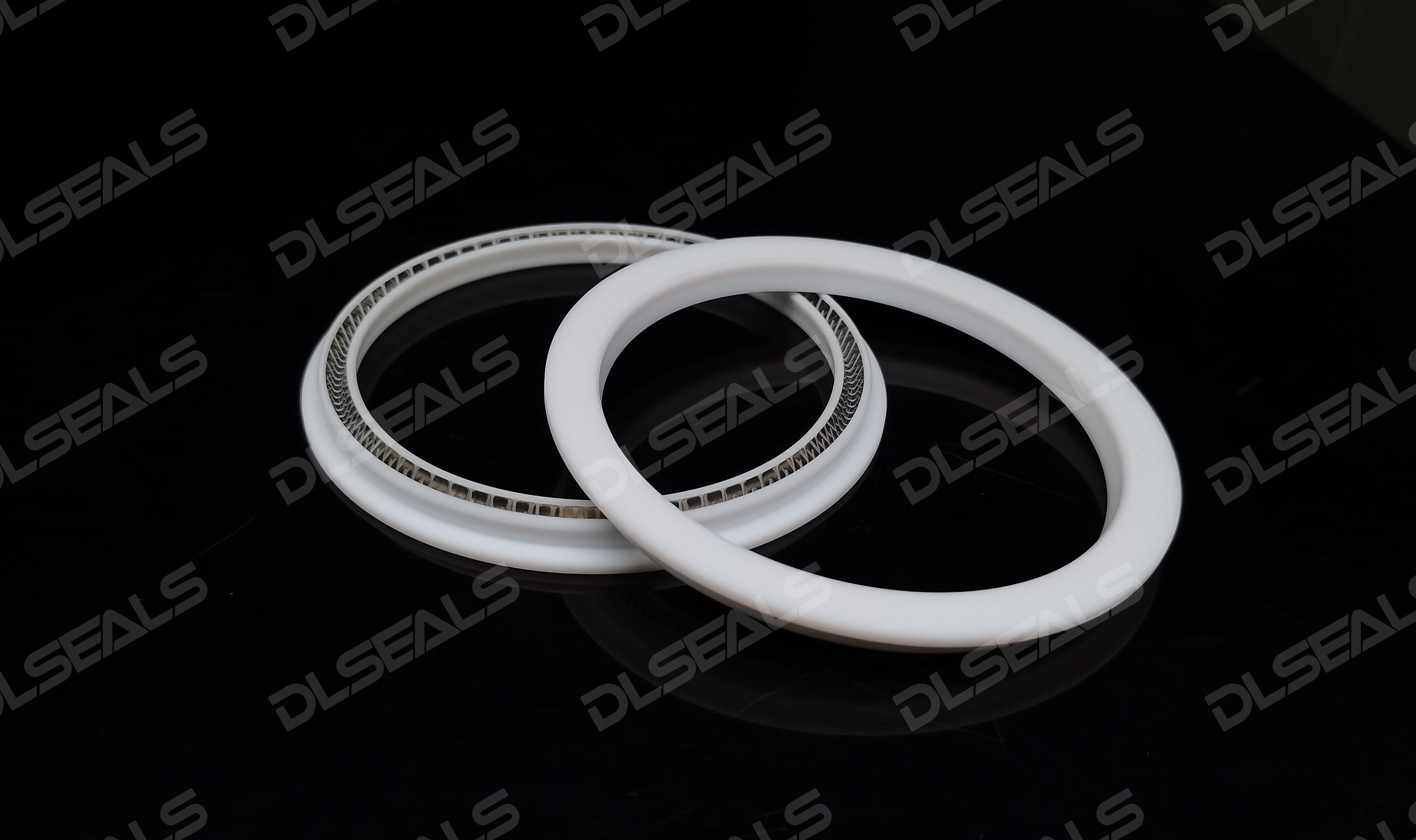
Rotary seals are widely used in motors, gearboxes, pumps, compressors, hydraulic equipment, construction machinery, and various rotating shaft systems. Unlike static seals, rotary seals continuously withstand shaft rotation, friction, heat generation, vibration, and shaft eccentricity during operation. Therefore, their service life depends not only on the seal itself, but also on the material, sealing structure, shaft surface, lubrication, installation, and operating conditions.
When a piece of equipment develops oil leakage, heat generation, or lip wear shortly after a new oil seal is installed, the problem is not necessarily caused by poor seal quality. In many cases, incorrect material selection, worn shaft surfaces, excessive rotational speed, insufficient lubrication, improper installation, or shaft misalignment can all lead to premature seal failure. Therefore, extending the service life of rotary seals requires optimization of the entire sealing system.
Material selection is the foundation of rotary seal performance and service life. Different materials are suitable for different temperatures, media, and rotational speeds. NBR offers good oil resistance and balanced overall performance and is suitable for general industrial oils. FKM provides better resistance to high temperatures, oils, fuels, and many chemicals, making it suitable for demanding thermal and chemical environments. EPDM is well suited to water, steam, and certain chemical media.
For high-speed rotation, low-friction applications, high temperatures, or aggressive chemical media, PTFE rotary seals often provide significant advantages. PTFE offers a low coefficient of friction, excellent chemical resistance, and a wide operating temperature range. It can also be modified with carbon fiber, graphite, glass fiber, bronze, and other fillers to improve wear resistance, creep resistance, and load-carrying capability.
In addition to material, the sealing structure is equally important. Conventional shaft applications with relatively low pressure can generally use standard rotary oil seals, while high-speed, high-temperature, or low-friction applications may require PTFE oil seals, modified PTFE rotary seals, or spring-energized seals. For rotary systems operating under higher pressure, a dedicated pressure-rated sealing structure with improved extrusion resistance may be required.
The contact pressure of the sealing lip must also be properly controlled. Excessive contact pressure may improve initial sealing but increases friction and heat generation, accelerating lip wear. Insufficient contact pressure, on the other hand, may result in inadequate sealing. A well-designed rotary seal therefore needs to balance sealing performance, friction, and heat dissipation.
The condition of the shaft surface has a direct impact on rotary seal life. Scratches, corrosion, pitting, or significant wear grooves on the shaft can cause continuous abnormal friction between the shaft and sealing lip, resulting in premature wear and leakage.
Before installing a new rotary seal, the shaft diameter, surface finish, runout, and wear condition should therefore be checked carefully. If a significant wear groove has already formed at the sealing position, simply replacing the oil seal may not solve the problem. Depending on the situation, solutions may include repairing the shaft surface, installing a shaft sleeve, or changing the sealing position.
Rotational speed is another important factor. As shaft speed increases, the frictional energy generated between the sealing lip and shaft increases, which can significantly raise the local temperature. In high-speed equipment, the temperature at the sealing lip may be considerably higher than the overall oil or equipment temperature due to friction.
Therefore, high-speed rotary seals should not be selected based only on the overall operating temperature. The actual lip temperature, contact pressure, coefficient of friction, lubrication condition, and heat dissipation must also be considered. Low-friction PTFE seals, optimized lip geometries, and appropriate contact pressure are often beneficial for extending seal life in high-speed applications.
Shaft eccentricity, radial runout, and equipment vibration should also be controlled. Significant shaft eccentricity causes the sealing lip to deform continuously, resulting in excessive pressure in some areas and insufficient pressure in others. This can eventually lead to uneven wear and leakage. Bearing condition, shaft alignment, and equipment vibration should therefore be included in the overall rotary seal life assessment.
Proper lubrication is one of the most important factors in extending rotary seal life. For rubber oil seals, an appropriate lubricating film is normally required between the sealing lip and shaft to reduce friction. Insufficient lubrication can cause dry friction, excessive heat generation, and accelerated wear.
During installation, an appropriate amount of lubricant compatible with the sealing material can be applied to the sealing lip and shaft surface to prevent severe dry friction during initial start-up. However, more lubricant is not always better. The type, viscosity, and material compatibility of the lubricant must also be considered.
Installation quality is another factor that is often overlooked. Using sharp tools to force or pry the sealing lip, installing the seal at an angle, displacing the spring, or scratching the lip during installation can all lead to premature failure. Proper installation tools should be used, the seal should be installed in the correct orientation and position, and the sealing lip should be protected from keyways, threads, sharp edges, and other features on the shaft.
For equipment that has already been in service, regular inspection should include leakage, temperature rise, vibration, and shaft surface condition. When a seal begins to leak abnormally, simply replacing it with a new seal may not be enough. The shaft, bearings, alignment, lubrication, and operating temperature should also be checked to identify the underlying cause.
In practical applications, there is no single “universal material” that can provide the longest service life under all operating conditions. The most effective approach is to build a complete sealing system based on:
The right material + the right sealing structure + a suitable shaft surface + appropriate rotational speed + proper lubrication + correct installation + stable equipment operation.
For general industrial equipment, NBR oil seals can meet many common requirements. When higher temperature, oil, or chemical resistance is required, FKM may be a better choice. For high-speed, low-friction, or highly corrosive applications, PTFE oil seals, modified PTFE seals, or spring-energized seals can be considered.
It is important to understand that a more expensive seal does not necessarily mean a longer service life. If the shaft surface is badly worn, the equipment has significant eccentricity, or the lubrication conditions are unsuitable, even a high-performance PTFE seal may fail prematurely.
Therefore, extending the service life of rotary seals is not simply a matter of selecting a higher-grade material. The key is to ensure that the sealing material, sealing structure, equipment conditions, installation, and maintenance are properly matched.
The service life of a rotary seal is determined by the combined effects of material, design, equipment, and operating conditions. To reduce oil leakage, premature wear, and frequent seal replacement, optimization should extend beyond the seal itself to the entire rotating system.
For sealing manufacturers, recommending a rotary seal should not be based solely on dimensions and material. Important operating parameters such as medium, temperature, pressure, rotational speed, shaft diameter, lubrication method, shaft surface condition, and operating cycle should also be evaluated.
Only by understanding these key parameters can a suitable rotary sealing solution be selected to provide better reliability and a longer service life.
[DLSEALS kindly Reminder] Sealing issues? Turn to DLSEALS! As a sealing component manufacturer, we specialize in customizing sealing components, providing a full range of services from design, research and development, production, testing, and more. If you have more information you'd like to know, feel free to contact us directly. DLSEALS's product experts are dedicated to serving you!

GUANGDONG DLSEALS TECHNOLOGY CO.,LTD.
TEL/Whatsapp
:+86 15918359971ADDRESS
:No. 2 Niujiaokeng Road, Baizhoubian, Dongcheng District, Dongguan, Guangdong, China.