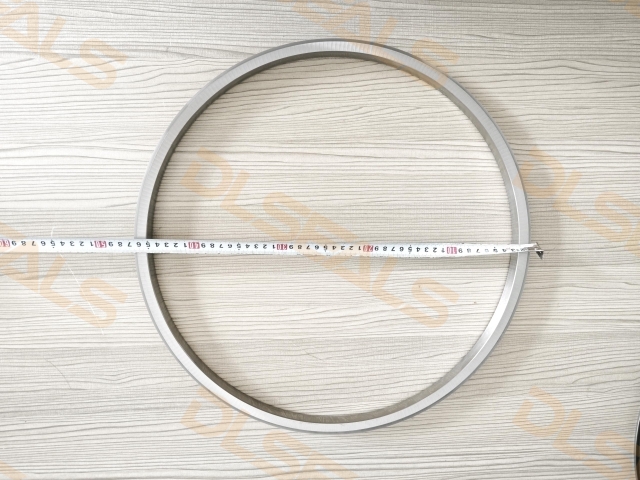
In steel rolling mills, paper machinery, heavy-duty gearboxes, and other large industrial equipment, large rotary oil seals (Large Rotary Oil Seals or Radial Shaft Seals) serve as the core sealing components that protect bearing systems, prevent lubricant leakage, and block the ingress of contaminants. Facing harsh operating conditions such as high temperature, high pressure, heavy loads, impact vibration, water mist, and dust, conventional small-size oil seals often fall short. Large rotary oil seals, with their excellent adaptability to large diameters, reinforced structural design, and high-performance materials, have become a key technology for improving equipment reliability and extending maintenance intervals.
1. Structural Characteristics of Large Rotary Oil Seals
Large rotary oil seals typically adopt a radial lip seal design, primarily consisting of the following components:
- Sealing Lip: Made of oil-resistant rubber (such as NBR, FKM), polyurethane (PU), PTFE, or composite materials. It maintains direct contact with the rotating shaft to form a dynamic sealing interface. The lip design often includes a primary lip and a secondary dust lip for bidirectional sealing.
- Metal Case: Provides structural rigidity, suitable for large-diameter applications (diameters up to 1 meter or more). Common forms include integral metal shells, fabric-reinforced rubber, or all-rubber designs.
- Garter Spring: Delivers constant radial preload force, ensuring the lip maintains tight contact with the shaft surface even at high speeds and after wear.
- Special Reinforced Design: For rolling mill applications, thickened lips, labyrinth auxiliary structures, or split-type (Split) designs are commonly used to facilitate on-site installation and maintenance.
Compared with standard oil seals, large rotary oil seals emphasize high PV value (pressure × surface velocity) capability, low frictional heat generation, and excellent contamination resistance. Some high-end products also incorporate cooling channels or special coatings to adapt to the high-speed, heavy-load environments at roll necks in rolling mills.
2. Typical Applications in Steel Rolling Mills
The working environment of steel rolling mills (especially hot strip mills, cold strip mills, and plate mills) is extremely harsh: high roll speeds, large radial loads, splashing cooling water and rolling emulsions, and abundant iron oxide scale dust. These factors impose stringent requirements on the retention of bearing lubricant and the isolation of external contaminants.
- Roll Neck Seals Applied to the bearing housings of work rolls and backup rolls, this is the most typical application of large rotary oil seals. New rolling mill-specific oil seals developed by manufacturers such as JTEKT significantly reduce water ingress and lip temperature through specialized lip designs, thereby extending bearing life.
- Transmission System Seals Used on main motor shafts, gearbox input/output shafts, universal drive shafts, and other rotating components to prevent lubricant leakage and block dust entry.
- Auxiliary Equipment Widely adopted in rotating parts such as coilers, conveying roller tables, and shears.
Example Operating Parameters:
- Shaft diameter: 300 mm to 2000 mm or larger
- Surface velocity: up to 30 m/s or higher
- Temperature range: -40°C to +150°C (higher with special materials)
- Media: Lubricating oil, cooling water, emulsions, iron scale dust
3. Technical Advantages and Performance Requirements
- High Reliability and Long Service Life: Reinforced lip designs and premium materials can achieve sealing lives of tens of thousands of hours, reducing unplanned downtime. Heavy-duty industrial seals from brands like SKF perform excellently in rolling mills, effectively separating lubricating oil from cooling fluids.
- Superior Contamination Resistance: Secondary lips or labyrinth structures effectively block water, dust, and scale, protecting bearings from premature failure due to contamination.
- Low Friction and Energy Saving: PTFE composite lips or optimized lip profiles reduce frictional torque, lower energy consumption, and minimize heat generation, making them suitable for high-speed rolling.
- Convenient Installation and Maintenance: Split-type (Split Seal) designs allow replacement without disassembling large equipment, greatly reducing downtime.
- Media and Temperature Resistance: Selection of FKM or special composite materials provides resistance to oil, water, chemical additives, and moderate acid/alkali corrosion.
Compared with high-end seals such as spring energized seals, large rotary oil seals focus more on cost-effectiveness and large-size adaptability, making them the “workhorse” sealing solution for heavy industries like steel.
4. Material Selection and Design Essentials
- Rubber Materials: NBR (general purpose), HNBR (heat and oil resistant), FKM (high temperature and chemical resistant).
- Reinforcements: Fabric-reinforced rubber or metal cases for enhanced rigidity.
- Surface Treatment: Shaft hardness ≥ HRC45, roughness Ra 0.2–0.8 μm. Attention must be paid to concentricity and chamfers during installation.
- Design Verification: Finite Element Analysis (FEA) is used to simulate lip contact pressure, thermal distribution, and wear behavior to ensure reliability under actual rolling mill conditions.
Selection should comprehensively consider shaft diameter, rotational speed, media, temperature, pressure, and installation space, with reference to ISO, DIN standards or manufacturer engineering manuals.
5. Development Trends
As the steel industry transforms toward intelligence and high efficiency, large rotary oil seals are developing in the following directions:
- Intelligent Monitoring: Integration of sensors for real-time monitoring of lip temperature, wear status, and leakage signs.
- Eco-friendly Low-Friction Materials: New PTFE composites and green materials to reduce energy consumption and emissions.
- Modular and Quick-Change Designs: Further optimization of split designs and standardized dimensions.
- Integration with Bearings: Development of combined oil seal-bearing units to simplify equipment structure.
Conclusion
Although large rotary oil seals appear structurally simple, they shoulder the critical responsibility of “protecting bearings and ensuring continuous production” in steel rolling mills and other large equipment. Their reliable sealing performance directly affects equipment utilization, product quality, and operating costs. Through scientific selection, correct installation, and regular maintenance, large rotary oil seals can significantly enhance the overall competitiveness of heavy industrial equipment such as steel production. In the context of “dual carbon” goals and high-end manufacturing upgrades, continuous optimization of this core sealing technology will provide solid support for the industry’s high-quality development.
[DLSEALS kindly Reminder] Sealing issues? Turn to DLSEALS! As a sealing component manufacturer, we specialize in customizing sealing components, providing a full range of services from design, research and development, production, testing, and more. If you have more information you'd like to know, feel free to contact us directly. DLSEALS's product experts are dedicated to serving you!